
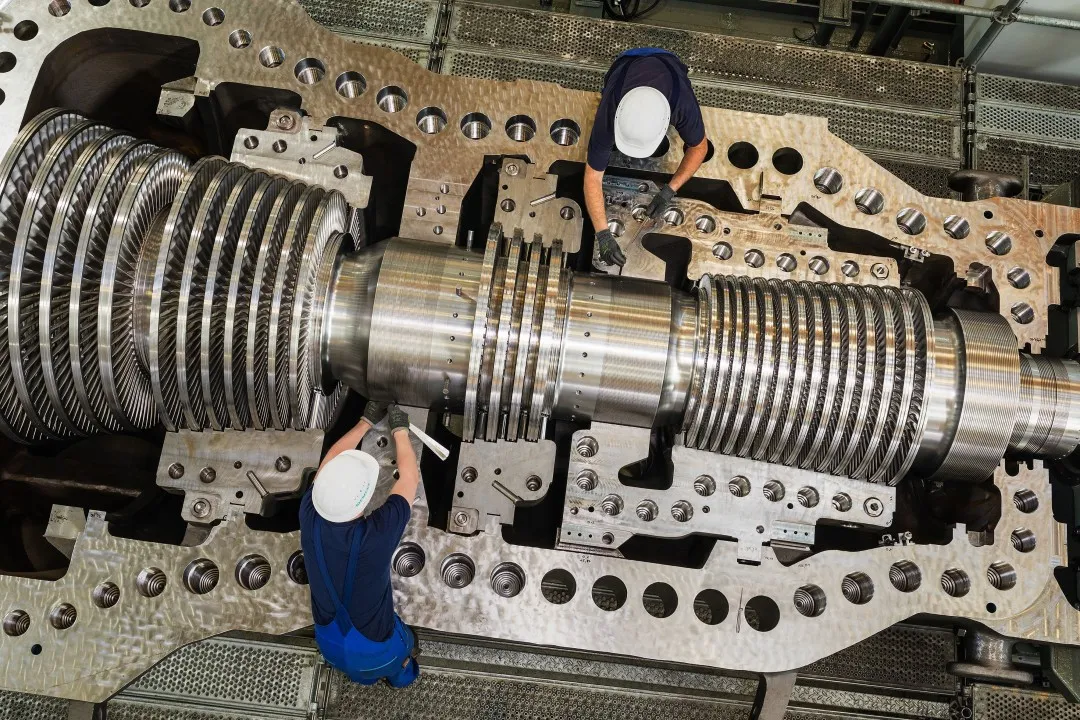
You should remember that gas and steam turbines play an essential role in industrial manufacturing, power generation, gas and oil operations and many other heavy-duty industrial systems. These machines tend to operate under extreme temperatures, rotational speed and pressure, meaning you will get reduced efficiency and reliability.
Since turbines are essential and valuable assets, you should know that regular maintenance and inspection are crucial to ensure efficiency and safety. Without reliable inspections, turbines should develop hidden mechanical problems that can lead to unexpected shutdowns, performance, expensive repairs and catastrophic failures.
Regular gas and steam major turbine inspection can help you identify issues early, which can extend equipment lifespan and improve operational efficiency.
In further article, we will present you the importances of turbine inspections that can help you protect overall operational stability and equipment altogether.
Prevent Unexpected Issues
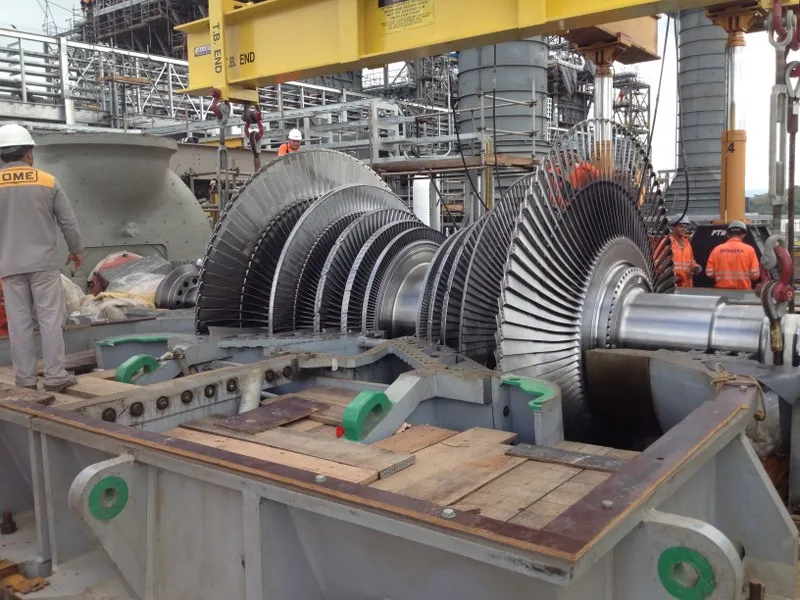
One of the biggest reasons for gas and steam turbine inspection is preventing unexpected issues and failures that may happen. Turbines tend to operate under intense stress for longer period, which can gradually lead to damage and wear to internal components.
The most common issues may include factors such as corrosion, erosion, blade cracking, and seal damage, bearing wear, rotor imbalance and thermal fatigue. In case you avoid thinking about such problems, they may lead to severe mechanical failures and emergency shutdowns, which is vital to remember.
If you decide to conduct routine inspection, you can allow technicians to detect early warning signs before small issues become more severe. Preventive maintenance can help you reduce the risk of sudden expensive emergency repairs and operational interruptions.
Deal With Operational Efficiency
Even small mechanical issues can reduce energy efficiency and turbine performance. Damaged blades, deposits, worn seals and airflow restrictions may force turbines to work harder, meaning you will produce less energy than before. You should click here to learn more about steam turbine.
Generally, regular inspections can help you ensure turbines continue operating at optimal efficiency. Correcting and identifying performance issues can reduce energy waste, improve fuel efficiency and lower operating expenses. In industries where turbines should run continually, even small efficiency improvement can result in long-term savings.
Increase Durability
You should know that gas and steam turbines represent major financial investments. At the same time, replacing large turbine systems can be extremely expensive and you can reduce the downtime that may happen. Regular inspection programs can extend equipment lifespan by identifying damage and wear before it reaches severe levels.
You can often repair or replace components during scheduled maintenance rather than choosing failure, which is way better altogether. Proper inspection routines and maintenance can maximize the value of turbine investments and delay the need for expensive replacement projects.
Improve Safety
You probably understand that turbines tend to operate at extremely high rotational speeds and temperatures, meaning you can ensure major concerns. Mechanical failures can create dangerous situations for nearby equipment. Potential safety risks include explosions, pressure failures, steam leaks, flying debris from damaged blades, fires, among other things.
Routine inspections can help you identify unsafe conditions before accidents happen. Ensure that critical component can make good conditions that can protect facilities, employees and surrounding infrastructure.
Safety inspections are especially important in refineries, power plants and industrial facilities, where turbine failure can lead to serious problems to your large operation.
Reduce Downtime
It is important to remember that unexpected turbine failures may lead to severe operational downtime. If you are operating in power generation industry, downtime can lead to serious disruptions to entire systems, which will ultimately affect revenue and productivity.
Scheduled inspections can help your maintenance teams to identify problems during planned outages instead of emergencies. This makes repairs more manageable, while you can reduce the financial impact that comes with shutdowns. Preventive and predictive inspection strategies can help companies maintain reliable operations and improve production stability.
Detect Hidden Damage
Most turbine issues tend to start internally, meaning you may not produce obvious external symptoms. Fatigue, cracks, damage, vibration issues and corrosion can develop slowly and be invisible at first, but cause serious problems and efficiency. Advanced inspection techniques can help you identify hidden issues before them become severe.
Common inspection methods include thermal imaging, vibration analysis, borescope inspection, ultrasonic screening, dye penetrant testing and magnetic particle testing. These technologies allow technicians to evaluate internal components without dismantling the equipment in specific cases.
The earlier you detect the problem, more you will reduce repair expenses and prevent secondary damage to surrounding components. Check out this guide: https://www.wikihow.com/Make-a-Steam-Engine to learn how to make a steam engine with ease.
Regulatory Compliance
Industries tend to follow strict operational and safety regulations regarding inspection and maintenance. Power plants, industrial facilities and oil refineries are often required to maintain inspection records so you can comply with industrial standards and government codes.
Routine inspections can help companies meet compliance requirements, while you can avoid legal issues, penalties and operational restriction. Maintaining accurate inspection documentation is a demonstration of commitment to your operational reliability and workplace safety.