
Key Takeaways
- Compressed air systems are vital for the operation of critical infrastructure sectors, including energy, transportation, and manufacturing.
- Ensuring the reliability of these systems is essential to prevent operational disruptions and maintain public safety.
- Regular maintenance, modernization, and the integration of advanced technologies can enhance the performance and dependability of compressed air systems.
The Role of Compressed Air in Critical Infrastructure
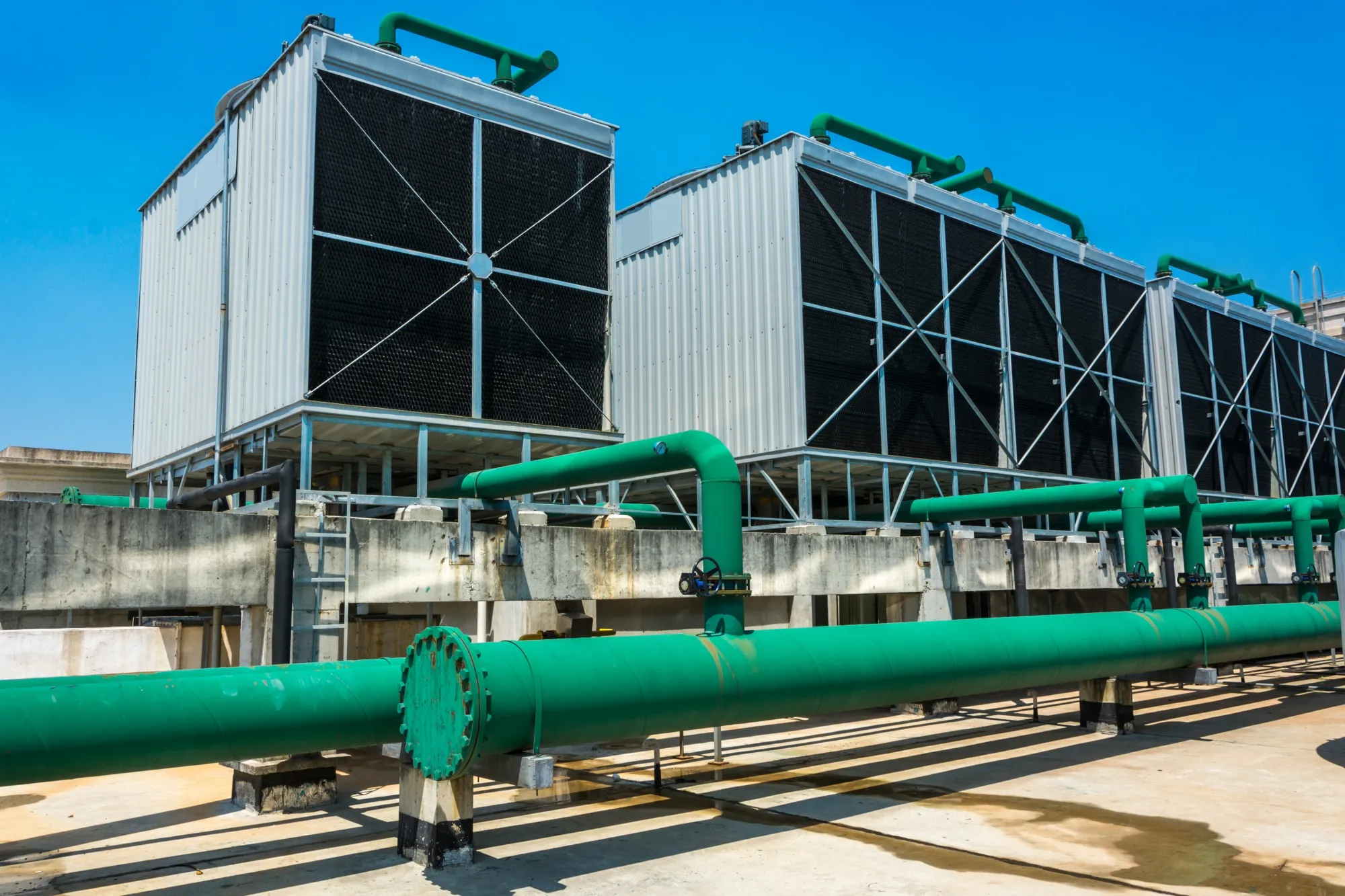
Compressed air systems are a foundational element in numerous critical infrastructure environments. These systems provide power for vital processes and equipment, supporting everything from control systems to emergency backup operations. Across sectors like energy and manufacturing, compressed air drives a diverse range of functions, including pneumatic controls, actuators, and precision tools. In addition to these uses, compressed air system jacksonville fl are essential for ensuring organizations maintain operational continuity and safety standards.
The energy sector employs compressed air for vital control of instrumentation, supporting both generation and distribution processes. Transportation infrastructure, such as railways and air traffic systems, depends on compressed air for safe and reliable operation of braking systems and signaling equipment. Meanwhile, manufacturing relies on these systems to power tools, manage assembly lines, and facilitate material handling, making compressed air indispensable to productivity and safety.
The criticality of these systems lies in their ability to deliver consistent performance under demanding conditions. Any failure or disruption can bring core functions to a halt, impacting not just productivity but broader public safety and economic stability.
For facilities managers and infrastructure planners, the challenge remains ensuring these systems are up-to-date, adequately maintained, and ready to meet current as well as future operational needs. This level of preparedness becomes more crucial as infrastructure systems age and operational demands increase.
Challenges in Maintaining Reliable Compressed Air Systems
Despite their fundamental role, achieving reliability in compressed air systems is not without obstacles. A leading issue is aging infrastructure, as many facilities operate older systems that were not designed with today’s efficiency or digital monitoring capabilities in mind. Over time, neglecting routine maintenance can allow minor issues to escalate into major failures, causing unexpected downtime and possibly jeopardizing safety.
Another significant issue is reliance on outdated technology. As highlighted by the Government Accountability Office, many air traffic control systems are currently considered unsustainable or approaching unsustainability due to obsolete components and insufficient modernization efforts. Their report emphasized the urgency for infrastructure operators to prioritize upgrades and integration of newer technologies.
Inefficiencies such as air leaks, improper pressure settings, and insufficient filtration can generate additional costs while reducing the lifespan of critical system components. Lack of real-time monitoring also means problems are often detected late, further increasing the risk of unexpected interruptions in service.
Strategies for Enhancing System Reliability
To address the challenges facing compressed air systems in critical infrastructure, operators must implement comprehensive reliability strategies. The following practices greatly enhance operational assurance:
- Regular Maintenance: Establishing a robust maintenance regimen allows operators to detect and resolve potential issues before they trigger system failures. Scheduled inspections, leak detection, and timely replacement of worn parts are crucial for long-term reliability.
- System Modernization: Upgrading system components to improve efficiency is vital. Newer compressors, air dryers, and filtration systems offer significant advantages in both energy savings and dependability. Digital upgrades, such as remote monitoring and control, facilitate more precise management of system performance.
- Monitoring and Diagnostics: Adopting advanced monitoring tools and diagnostics enables early detection of anomalies. Solutions like vibration analysis, thermography, and pressure sensors provide predictive insights, allowing proactive maintenance that helps avoid costly breakdowns.
Case Study: Predictive Maintenance in Naval Operations
The adoption of artificial intelligence (AI) and machine learning (ML) in maintenance strategies reflects a significant shift towards predictive maintenance within critical environments. For example, the Naval Surface Warfare Center, Philadelphia Division, is evaluating the use of AI and ML models to predict failures in submarine compressor systems. The initiative aims to detect early-stage degradation, offering the potential to prevent mission-critical failures by proactively scheduling maintenance before issues escalate. This represents a promising approach for adapting similar predictive technologies to industrial and civilian infrastructure.
Addressing Cybersecurity Threats
As compressed air systems become more interconnected with industrial networks, they also face increased cybersecurity risks. Malicious actors can exploit vulnerabilities in industrial control systems, potentially causing severe disruptions or damage to vital infrastructure. Ensuring strong cybersecurity involves deploying secure network architecture, conducting regular vulnerability assessments, and enforcing strict access controls and monitoring. Proactive cybersecurity practices protect facilities from both cyberattacks and the cascading failures that may follow.
Conclusion
Reliable compressed air systems are indispensable for the smooth operation of critical infrastructure sectors worldwide. By prioritizing preventative maintenance, embracing modernization, utilizing advanced monitoring technologies, and addressing cybersecurity risks, organizations can safeguard the performance and dependability of their systems. This comprehensive approach not only supports essential services but also secures public safety and operational resilience against both technological and security threats.