
Key Takeaways
-
Social media is an essential tool for therapists to connect with a broader audience and promote mental health literacy.
-
The spread of “therapy-speak” on platforms like TikTok has both positive and negative implications for how people perceive therapy and mental health terms.
-
Artificial intelligence is creating new pathways for supplementary mental health support, but requires careful oversight from professionals.
-
Long-form video content is emerging as a preferred educational format for therapists reaching digital audiences for deeper engagement.
-
Ethical boundaries and accurate information are vital as therapists expand their presence online.
In 2026, therapists are adapting to a fast-changing digital landscape in which social media platforms play a pivotal role in mental health discussions. The growing influence of online communities and content sharing is transforming the way mental health professionals connect with clients, deliver information, and uphold ethical standards. Whether reaching new audiences or confronting misinformation, the evolving trends in social media present both challenges and opportunities for therapists seeking to be effective in today’s digital age. For anyone seeking resources or local support, exploring family counseling Libertyville, IL, can provide valuable direction in finding trustworthy professionals in their area. Digital spaces have become central to how individuals discover information about therapy, mental health, and emotional well-being. Understanding the dynamics at work on social platforms is now a fundamental requirement for mental health practitioners who wish to remain relevant and helpful to clients. At the same time, the responsibilities and risks for therapists online are evolving, requiring a careful approach to engagement, content creation, and professional conduct.
Embracing Social Media for Client Engagement
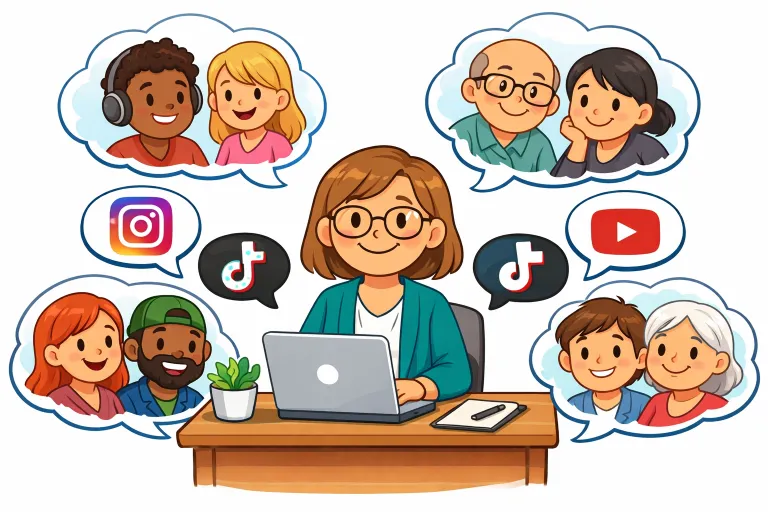
Therapists are increasingly using social media to reach people from all backgrounds and to foster open conversations about mental health. Platforms like Instagram, Facebook, and YouTube make it easier than ever for professionals to provide psychoeducation, share coping strategies, and break down stigma associated with therapy. This digital outreach not only informs and supports clients but also helps normalize seeking care, especially for those who may be hesitant to contact a therapist directly. Social media engagement also comes with challenges. While direct messaging and public forums can enhance access, therapists must be vigilant about privacy and regulatory requirements. It is important to distinguish professional advice from general education to ensure followers do not mistake online interactions with licensed professionals for general education.
The Rise of “Therapy-Speak” on Social Platforms
Short-form content on platforms like TikTok has given rise to “therapy-speak,” where clinical terminology enters everyday conversation. While this phenomenon can demystify therapy and raise awareness of mental health topics, it sometimes results in the oversimplification or misapplication of terms. Professionals are finding themselves clarifying the real meaning of concepts like “gaslighting,” “trauma,” and “boundaries,” as these words can take on lives of their own in popular culture. The proliferation of “therapy-speak” makes it even more important for therapists to serve as reliable sources of information. Misinformation or misunderstanding can not only affect the public’s perception of therapy but also risk trivializing complex emotional challenges. Recent features, such as this article from The Atlantic, explore the consequences of therapy buzzwords moving into non-clinical settings.
Integrating AI Tools into Therapeutic Practices
Artificial intelligence is changing the delivery of mental health support. Chatbots, automated scheduling, and virtual assistants now feature in many therapists’ toolkits, offering additional support for clients between sessions or when immediate guidance is required. While AI can be beneficial, it is not a substitute for the nuanced understanding and relational skills of a human therapist. For mental health professionals, responsible integration of AI is key: these resources should only supplement, not replace, clinical judgment and personalized care. Therapists must also navigate client data security, accuracy of AI responses, and ethical concerns around automation. The role of AI in therapy continues to be explored, as Yahoo Lifestyle outlines, underscoring both the promise and pitfalls of digital innovation in mental health.
Long-Form Video Content as an Educational Tool
As social media platforms introduce longer video formats, therapists are using these opportunities to deepen their educational outreach. Platforms like YouTube and Instagram now support extended video uploads, enabling therapists to thoroughly address specific topics, guide viewers through exercises, or conduct live Q&A sessions. This format gives audiences access to more meaningful information than can be shared in shorter, soundbite-friendly posts.
Creating long-form video content can also help therapists build credibility and rapport with viewers. Offering in-depth discussions, practical exercises, and case studies establishes the therapist as a trusted voice in the mental health community. It gives clients tangible tools to use in their everyday lives.
Maintaining Ethical Standards Online
Maintaining ethics on social media is a paramount concern for licensed mental health professionals. Therapists must uphold confidentiality, ensure that their social content does not cross into personalized advice, and avoid dual relationships with online contacts. Creating clear boundaries helps protect client privacy and preserves the trust that is foundational to therapeutic relationships. Regulatory agencies and professional associations publish guidance to help therapists navigate these unique challenges, highlighting the importance of continuing education and vigilance in digital spaces.
Addressing Misinformation and Promoting Accurate Information
The prevalence of mental health misinformation on social media places therapists in a unique position as educators and fact-checkers. Professionals can make a substantial impact by addressing common misconceptions, citing reputable sources, and promoting critical thinking about mental health. Connecting community members to evidence-based interventions not only protects the public but also fosters a more informed, supportive digital environment. Resources such as Psychology Today’s mental health myth-busting illustrate the ongoing need for such advocacy and public education.
Conclusion
The intersection of therapy and social media in 2026 is dynamic and multifaceted. By embracing digital tools thoughtfully and ethically, integrating supplementary technology with care, and serving as reliable educators, therapists can expand the reach and impact of mental health care. These ongoing trends are reshaping the therapeutic landscape, creating new avenues for connection, education, and support for both practitioners and the communities they serve.