
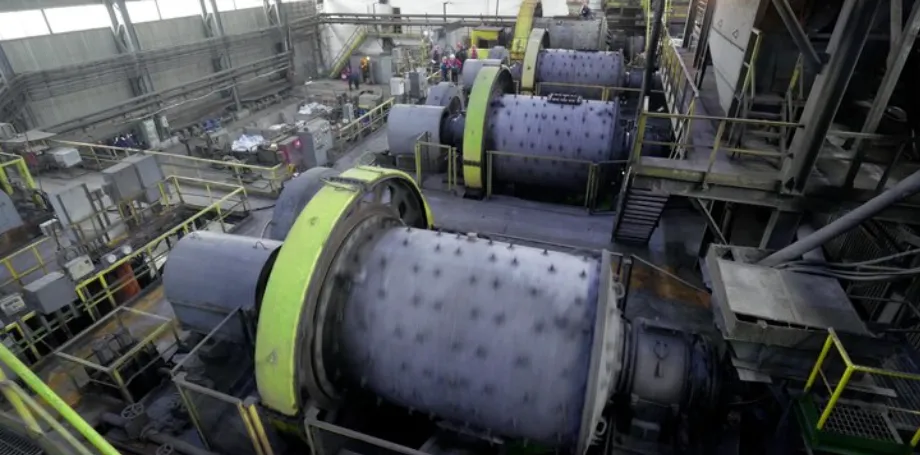
Material handling is a key part of many industrial operations. Factories, warehouses, and assembly lines all depend on smooth movement of goods and equipment to maintain productivity. When heavy items need to be moved quickly and safely, workers often face challenges with traditional handling methods. This is where the use of a heavy duty ball transfer unit becomes very valuable. It helps industries move heavy loads in multiple directions with less effort, improving speed, safety, and overall efficiency in the workplace.
What is a Heavy Duty Ball Transfer Unit
A heavy duty ball transfer unit is a mechanical device designed to allow easy movement of heavy objects in any direction. It usually consists of a large load-bearing ball supported by smaller balls inside a housing. This structure allows the top ball to rotate smoothly in all directions while carrying heavy weight.
These units are commonly installed on conveyor systems, workbenches, and transfer tables. They help workers slide or rotate large materials without needing to lift them. Because they are built for strong loads, they are widely used in industries like manufacturing, logistics, and automotive production.
Improved Efficiency in Material Handling
One of the biggest advantages of using a heavy duty ball transfer unit is improved efficiency. In many industrial settings, moving heavy items manually or with basic rollers can be slow and difficult. Ball transfer units reduce this problem by allowing objects to glide smoothly in any direction.
This flexibility makes it easier to position materials accurately without repeated lifting or repositioning. As a result, workers can complete tasks faster and with less physical strain. Production lines also benefit because materials move continuously without unnecessary delays, which helps improve overall workflow.
Safety and Reduced Manual Effort
Safety is a major concern in industrial workspaces. Lifting or dragging heavy objects can lead to injuries such as back strain or muscle fatigue. A heavy duty ball transfer unit reduces the need for manual lifting by allowing loads to be moved with minimal force.
Workers can simply push or slide items instead of carrying them. This lowers the risk of accidents and creates a safer working environment. It also helps reduce long-term physical stress on employees, which can improve job satisfaction and reduce absenteeism caused by injuries.
Versatility in Industrial Applications
Another important benefit of heavy duty ball transfer units is their versatility. They can be used in many different industries and applications. In warehouses, they help in sorting and transferring packages. In manufacturing plants, they assist in moving machine parts between workstations. In automotive industries, they are used for assembling and positioning heavy vehicle components.
Because they support multi-directional movement, they are especially useful in spaces where precise alignment and flexible handling are required. This adaptability makes them a practical solution for many types of material handling systems.
Maintenance and Durability Benefits
Heavy duty ball transfer units are designed to handle tough industrial conditions. They are made from strong materials that can withstand heavy loads and continuous use. This makes them highly durable and reliable over time.
They also require very little maintenance. With proper installation and occasional cleaning, they can function smoothly for long periods without frequent repairs. This reduces downtime in industrial operations and helps companies save on maintenance costs.
Conclusion
A heavy duty ball transfer unit plays an important role in improving material handling in industrial workspaces. It increases efficiency, enhances safety, and reduces the physical effort required from workers. Its flexibility and durability make it suitable for a wide range of industries. By integrating these units into handling systems, businesses can achieve smoother operations and better productivity.