
In the modern industrial landscape, maximizing production efficiency is the primary driver of profitability and sustainable growth. An efficient manufacturing process ensures that resources are utilized to their full potential, waste is minimized, and output quality remains consistently high.
Achieving these goals requires a holistic approach that combines advanced technology, streamlined workflows, and a culture of continuous improvement.
By identifying bottlenecks and implementing high-impact upgrades, industrial leaders can transform their operations into highly resilient systems capable of meeting the demands of a competitive global market while maintaining strict cost control.
Achieving Perfection Through Advanced Laser Cutting Technology
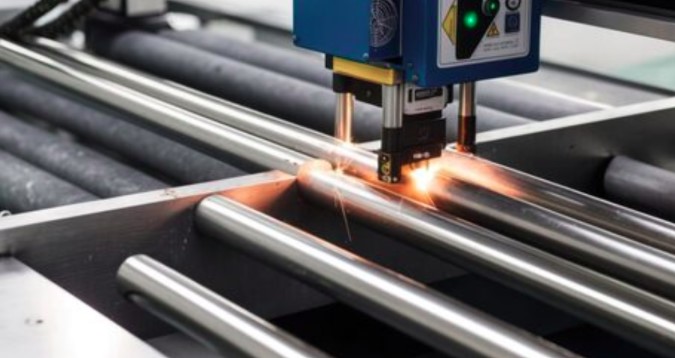
One of the most effective ways to boost efficiency in fabrication is by replacing traditional machining methods with high-precision tools. Integrating laser cutting into your production line allows for the rapid creation of complex parts with minimal material waste and extreme accuracy.
This technology eliminates the need for expensive and time-consuming tool changes, as a single machine can handle various shapes and thicknesses with simple software adjustments.
By utilizing the speed and precision of light, manufacturers can significantly reduce lead times and improve the structural integrity of their finished products, ensuring a much smoother transition from design to final assembly.
Optimizing Machine Output with an Automatic CNC Pallet Loading System
Machine idle time is a significant drain on industrial productivity, often caused by the manual labor required to swap workpieces. The installation of an automatic cnc pallet loading system revolutionizes the workshop floor by enabling lights-out manufacturing and continuous operation.
This automated solution allows for the preparation of multiple pallets while the machine is still cutting, ensuring that the next job is ready to load the instant the current one is finished.
By reducing human intervention and eliminating the downtime associated with manual setups, facilities can achieve much higher throughput and a more predictable production schedule.
Streamlining Workflows Through Lean Manufacturing Principles
Efficiency is not only about the machines used but also about how the work is organized across the factory floor. Adopting lean manufacturing principles helps identify and eliminate non-value-added activities, such as excessive movement of materials or overproduction.
By mapping out the entire production process, managers can reorganize workstations to create a logical and fluid movement of goods.
This systematic reduction of waste leads to a more agile operation that can respond quickly to customer needs without carrying the burden of unnecessary overhead or cluttered work environments.
Implementing Predictive Maintenance for Uninterrupted Operations
Unexpected equipment failure is one of the most costly disruptions any industry can face. Moving toward a predictive maintenance model, supported by sensors and data analytics, allows teams to address mechanical wear before it leads to a shutdown.
By monitoring vibrations, temperatures, and fluid levels in real time, technicians can schedule repairs during planned lulls in production.
This proactive approach ensures that every piece of equipment is operating at its maximum efficiency and extends the overall life of the machinery, preventing the financial losses associated with emergency repairs and lost production hours.
Investing in Digital Integration and Data Driven Decisions
The modern factory must be a connected ecosystem where data flows as freely as materials. Implementing industrial software that tracks every stage of the production process provides managers with the insights needed to make informed decisions.
Real-time data collection allows for the immediate identification of inefficiencies, such as energy spikes or quality deviations.
By utilizing this information to fine-tune operations, industrial leaders can optimize power consumption, improve resource allocation, and ensure that every department is working toward the same performance benchmarks for a truly integrated and efficient enterprise.