
Table of Contents
-
Assessing Group Needs
-
Choosing the Right Vehicle
-
Leveraging Technology
-
Prioritizing Safety
-
Ensuring Comfort
-
Coordinating Schedules
-
Considering Sustainability
-
Conclusion
Efficient group transportation sets the stage for successful events, whether you are planning a corporate retreat, school function, or family reunion. By focusing on safety, comfort, and streamlined logistics, you can transform travel into a positive and stress-free experience. For those arranging travel in the Mid-Atlantic, exploring options for charter bus companies in Northern Virginia is a smart place to begin. Their expertise in group transport ensures a tailored solution for parties of all sizes and requirements.
Implementing a few thoughtful strategies not only provides peace of mind but can also elevate the overall quality of your event. By assessing your group’s needs, choosing the ideal vehicle type, and taking advantage of modern technology, efficiency and comfort are easily achieved on any trip. Consider how collaboration with professional transportation providers can further improve scheduling, safety, and sustainability.
Assessing Group Needs
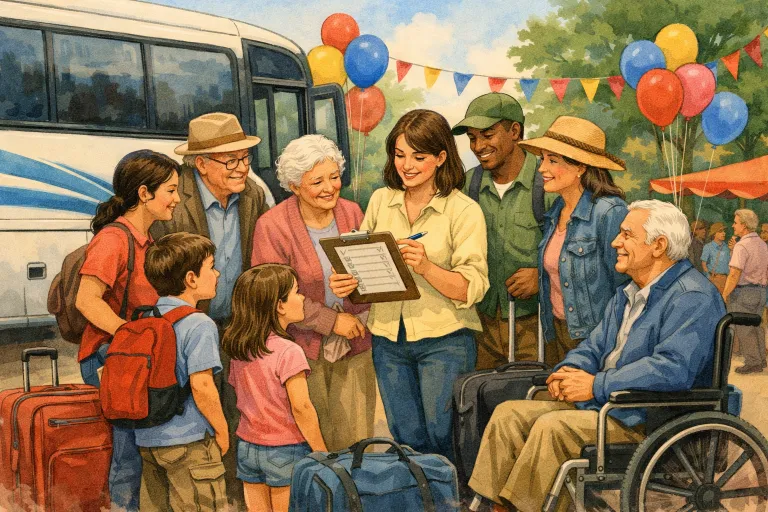
The foundation for a successful trip lies in a careful assessment of your group’s requirements. Start by tallying the number of passengers, including adults, children, and any who may need special accommodations such as wheelchair access. Consider the type of event, its duration, and the level of flexibility needed for pick-up and drop-off locations. This information helps guide the rest of your planning, ensuring that you don’t overlook crucial details that could impact participants’ comfort or safety.
Take into account the preferences and expectations of your attendees. For example, some groups may prioritize extra amenities over a lower cost, while others value a streamlined booking process above all else. Thorough planning not only increases the likelihood of a successful trip but also demonstrates consideration and care for your guests’ experiences.
Communicate early and often. A clear discussion with participants will help uncover unique needs, dietary requirements for long trips, or even specific timing constraints. Building this feedback into your logistics model will minimize last-minute surprises and ensure all voices are heard and accounted for.
Technology now plays a pivotal role in group travel. Many organizers now utilize online surveys or collaboration tools to gather input, further streamlining the initial assessment process. Ensuring you match group expectations with available resources is key to an enjoyable journey and a successful event outcome.
Choosing the Right Vehicle
Matching the right vehicle to your group’s size and needs is critical to efficiency and comfort. The variety of available vehicles, ranging from cozy transit vans for smaller groups to spacious motor coaches designed for fifty or more, means you can customize transportation to any itinerary. By working with an experienced provider, you ensure access to well-maintained vehicles equipped with necessary amenities.
Larger parties benefit from features such as overhead luggage storage, onboard restrooms, and enhanced legroom, while smaller groups may value maneuverability and personalized service. Consider not only the size of your party but also the amount of luggage, duration of travel, and level of comfort desired. Providers with a broad fleet give you added flexibility should your numbers change unexpectedly.
Leveraging Technology
Harnessing the latest digital tools simplifies many aspects of group transportation. Online booking platforms eliminate paperwork and streamline reservations, while mobile applications allow you to track vehicle locations in real time and communicate directly with drivers. This integration provides transparency and flexibility, allowing easy updates to routes or timing as required. Many systems also offer electronic itineraries and automatic notifications that keep all participants informed, reducing confusion and last-minute errors.
Advancements in GPS and fleet management, such as those discussed in Forbes’ overview of transport technology, have proven crucial for preventing delays and optimizing routes. Adoption of these innovations greatly enhances not only efficiency but also the rider experience, making group travel as seamless as possible.
Prioritizing Safety
Safety should never be compromised. Verify that your chosen transport provider performs regular vehicle maintenance checks and employs drivers with up-to-date certifications and training. The most reliable companies make their safety protocols transparent, ensuring clients that vehicles and staff meet or exceed all regulatory standards. This is especially important for youth or senior groups, or if travel will span several hours or unfamiliar routes.
Organizations such as the National Highway Traffic Safety Administration provide valuable information on current standards and regulations, empowering event planners to make informed decisions that put safety first. Some transportation providers also share their inspection records and incident history for added peace of mind.
Ensuring Comfort
When travel is comfortable, the entire event is more likely to run smoothly. Many modern vehicles come equipped with reclining seats, individual climate controls, Wi-Fi, and onboard entertainment systems. These features turn travel time into an opportunity for productivity or relaxation, ensuring that guests arrive at their destination feeling refreshed rather than fatigued. For long trips, access to clean restrooms and ample storage are major considerations.
Solicit feedback after trips to determine which amenities made the greatest impact, and use this data to refine future travel arrangements. Continual improvement in comfort offerings keeps participants satisfied and boosts attendance at future events.
Coordinating Schedules
Effective scheduling is vital for group transportation. Develop a detailed itinerary that accounts for possible delays such as traffic congestion or road construction. Share the schedule with all participants in advance, and designate key contact people to facilitate communication during the trip. Leveraging shared digital calendars and push notifications can help keep everyone on the same page, minimizing the risk of late departures or missed connections.
Clear coordination reduces stress, builds trust among attendees, and ensures that the travel portion of your event is as well-organized as the main activity itself. In high-density urban areas or for large-scale events, consider working with seasoned transportation coordinators for additional support and professionalism.
Considering Sustainability
Adopting sustainable travel practices is increasingly important, both for environmental reasons and participant preferences. Look for transportation providers that utilize fuel-efficient, hybrid, or electric vehicles, and that maintain green policies such as minimizing idling times and using eco-friendly cleaning supplies. The shift toward greener transportation means your group travel can minimize its carbon footprint while supporting responsible business practices.
Many organizations now publicize their environmental impact reductions as part of their brand. Not only does this satisfy increasing attendee demand for eco-friendly services, it can also influence corporate event planning and public image in a positive direction.
Conclusion
Thoughtful planning is the key to successful group transportation. By carefully assessing group needs, matching the right vehicles, utilizing modern technology, prioritizing both safety and comfort, coordinating schedules, and embracing sustainability, organizers can ensure seamless and enjoyable travel for every participant. These strategies serve to enhance not only the transportation experience but the overall success of your event, ensuring everyone arrives safely, on time, and ready to enjoy the occasion.