
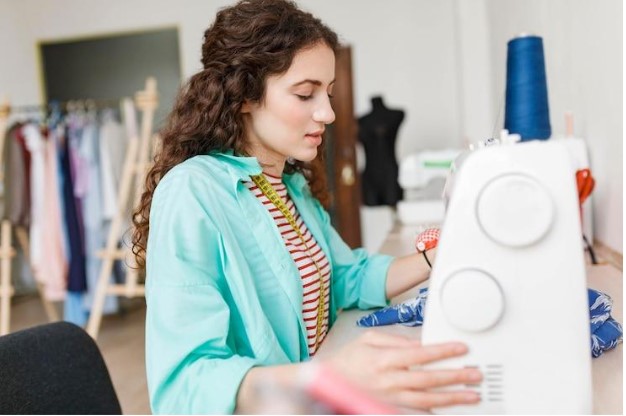
Beautifully designed, artistic, and embroidered dresses that everyone wears are possible because of sewing machines. Sewing machines fulfill a basic human need for clothing, designed with creative skill by a practitioner or tailor. As technology continues to evolve, sewing machines have also advanced over time. Modern sewing machines have advanced motors with variable speed, smooth stitch formation, efficient hook systems, and improved threading and cutting systems. Here is a look at the features of a sewing machine that you should consider before choosing one for yourself.
1. Modern Sewing Machine Design and Structure
A sewing machine creates, repairs, and customizes garments and fabric projects for ready-to-wear use. Sewing machines are equipped with features for basic stitching, home alterations, advanced embroidery, and commercial sewing. These models are designed for both domestic and professional use to ensure smooth performance, reliable control, and long-term value. Whether you run a boutique atelier, are expanding your quilting enterprise, want a modern upgrade for your stitching hobby, or need better equipment, choosing modern sewing machines ensures smooth stitches.
2. Advanced Motor Systems
The heart of any sewing machine is its motor. The smooth running of the motor and proper power distribution help in stitching and designing strong and beautiful clothes. Industrial-grade sewing machines use DC motors and AC current systems that provide torque within a required speed range. This feature increases the needle’s penetration strength through multiple layers of thick fabric. A professional tailor can achieve 1000 to 1800 stitches per minute with a modern sewing machine due to its efficient stitch formation and thread tension. This also helps reduce the heavy noise found in traditional machines.
3. Variable Speed Control
Modern sewing machines are designed with advanced variable speed control technology. They have built speed regulation systems that allow you to control stitching speed according to the type of fabric. Some detailed embroidered dresses require a slower speed, while lighter fabrics can be stitched at a higher speed. Modern machines use microprocessor-controlled speed systems that adjust performance efficiently. A practitioner can easily manage speed for delicate work or use full power for higher efficiency in both home and commercial use.
4. Precision Stitch Mechanism
No matter the type of fabric under the needle, a modern sewing machine provides smooth and consistent stitches. Its mechanism coordinates the needle and stitches so that stitching continues without interruption. A practitioner can achieve proper loop formation, accurate thread capture, and secure stitch locking depending on the fabric thickness. Machine parts are made of high-quality materials such as steel, which resist wear and corrosion. A practitioner will not face issues like thread breakage, loose stitching, or overly tight thread that can affect the final appearance of the fabric.
5. Advanced Hook System
Modern sewing machines are equipped with built-in hook systems. There are different types of hooks, such as rotary, oscillating, and specialized hooks, that support different stitching needs. These hooks allow smooth stitching with better bobbin capacity, even thread movement, and reduced friction. As a result, a practitioner can stitch fabric at a higher speed with improved efficiency and consistency.